Concrete Driveway Resurfacing vs. Replacement: How to Decide
A worn, stained or cracked driveway is often the first thing visitors see at your home. Fortunately, a tired concrete driveway does not always need to be torn out. Resurfacing can restore appearance at a fraction of the cost of replacement, provided the slab underneath is sound. This guide explains how to decide between the two.
What Resurfacing Means
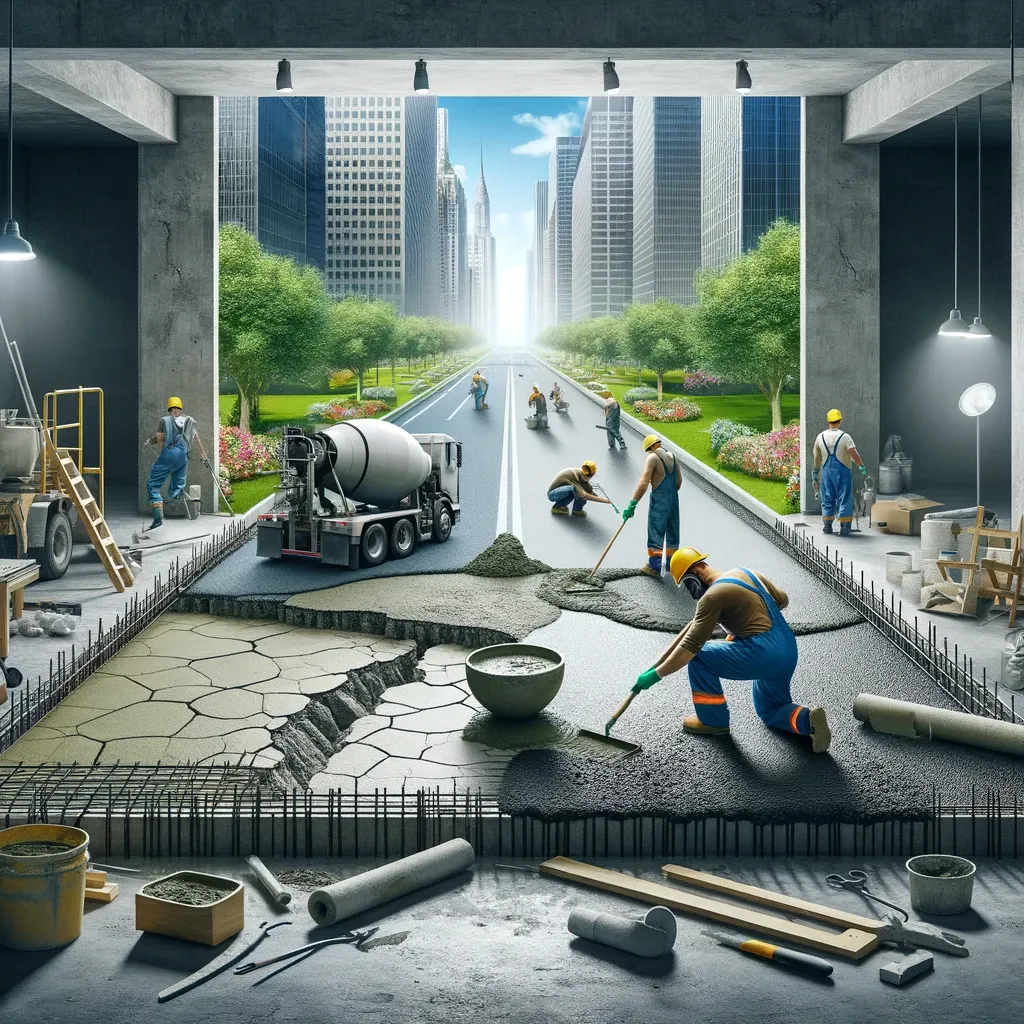
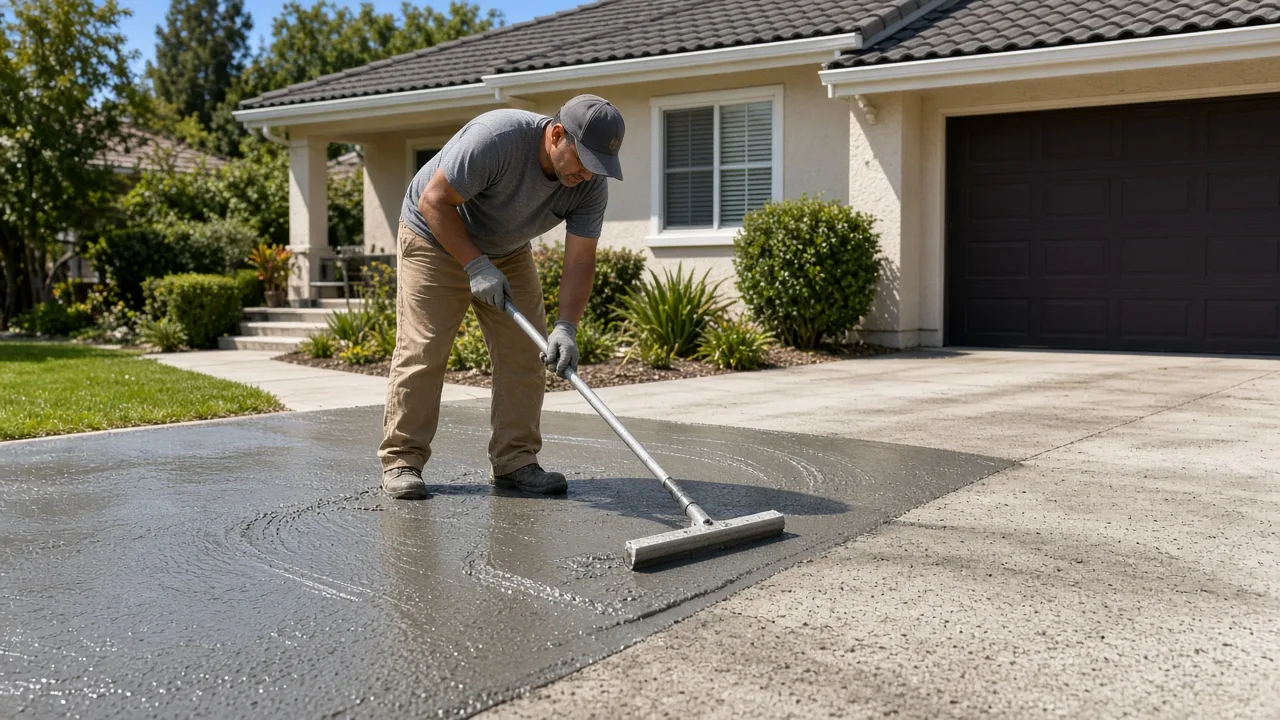
Concrete resurfacing applies a thin cementitious overlay, typically between an eighth and half an inch thick, over an existing slab. The overlay can be finished smooth, textured, stamped or stained, and is often used to hide surface flaws such as discolouration, minor scaling and fine cracks. It is a cosmetic and surface-protection repair, not a structural fix.
What Replacement Involves
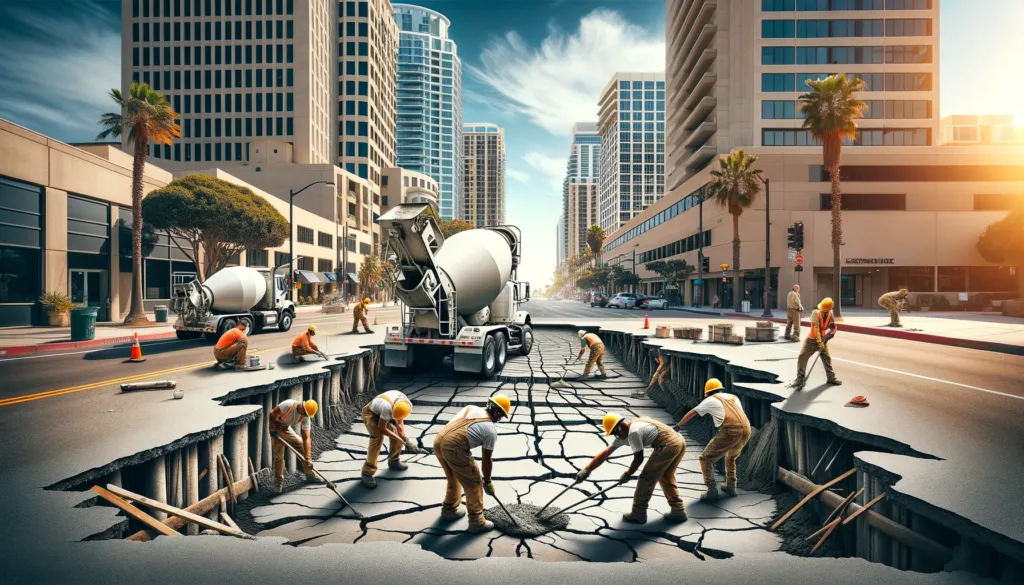
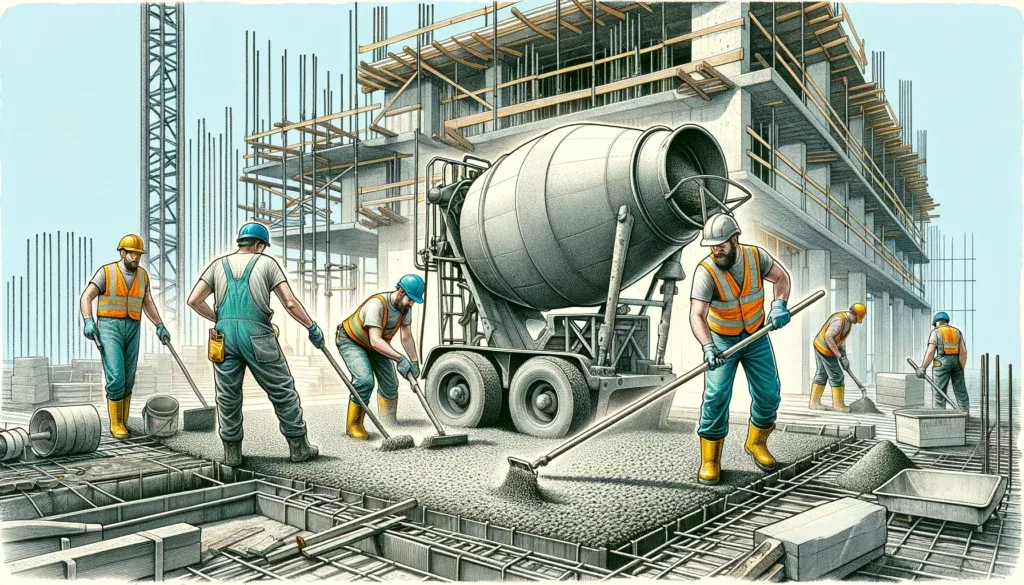
Replacement means breaking out the old slab, removing the debris, correcting the base and drainage, and pouring new concrete with proper reinforcement and joints. It resets the lifespan of the driveway and lets you change the layout, slope or thickness. It also costs more, takes longer and requires staying off the area while the concrete cures, which usually takes several days before vehicles can be parked.
When Resurfacing Makes Sense
- The slab is structurally sound, flat and well drained.
- Cracks are narrow, stable and not offset vertically.
- The problems are mainly cosmetic: stains, fading, light scaling or surface pitting.
- You want to change the look with colour or pattern without the cost of a new slab.
When Replacement Is the Better Choice
- The slab has settled, heaved or tilted toward the house.
- Cracks are wide, active or have uneven edges.
- Large areas have crumbled or spalled to the aggregate.
- The slab was poured too thin or without a stable base, so problems will keep recurring.
- Water pools on the surface or drains toward the garage or foundation.
A resurfacing overlay bonds to the existing slab. If that slab continues to move, the overlay will crack in the same places, often within a year or two. Putting new material over an unstable base is rarely a good investment.
Comparing Cost and Lifespan
Resurfacing is usually considerably cheaper per square foot than replacement, and it is faster, with many jobs completed in a few days. The trade-off is lifespan. A well-prepared overlay can last many years, but its life depends heavily on surface preparation, the quality of the product, the weather during application and how the driveway is used. Replacement offers the longest life, particularly if the base, drainage and reinforcement are done correctly.
Surface Preparation Matters Most
Overlays fail mainly because of poor preparation. Good contractors clean the slab thoroughly, remove oil and sealers, grind or shot-blast the surface to open the pores, repair cracks and spalls, and apply a bonding primer or slurry coat before laying the overlay. If a quote does not mention these steps, ask about them.
Questions to Ask Contractors
- What preparation steps are included, and how will cracks be treated?
- What product will be used, and what is its warranty?
- How will drainage and slope be handled?
- How long before foot and vehicle traffic are allowed?
- Is a sealer included, and how often should it be reapplied?
Care After the Work
Whichever option you choose, seal the surface periodically, wash away oil and chemicals promptly, and avoid dragging heavy items across it. In coastal San Diego County, salt air and strong sun can weather exposed surfaces, so regular sealing extends life.
Get at least two written quotes and ask each contractor to explain why they recommend resurfacing or replacement for your particular slab. A good contractor will inspect the driveway, point out the reasons behind the recommendation and be honest if the existing slab is not a good candidate.
/div>