Concrete Spalling and Scaling: Causes and Repair Options
When the surface of a concrete slab starts to flake, pit or break away, property owners often assume the whole slab is failing. In reality, surface deterioration comes in several forms, and each has a different cause and a different fix. Understanding the terms and the causes makes it easier to choose a durable repair.
Spalling vs. Scaling
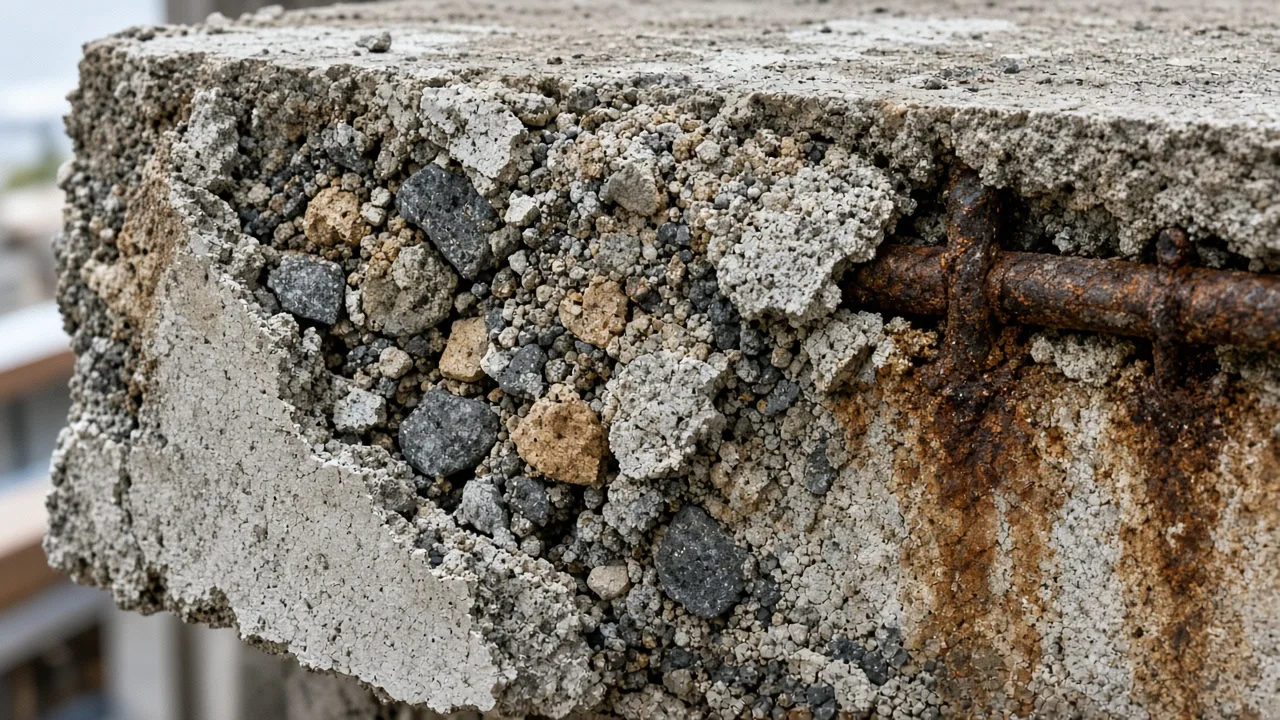
Scaling is the loss of the thin top layer of concrete, usually in flakes or patches no more than a fraction of an inch deep. It leaves a rough, exposed surface where the aggregate shows through. Spalling is deeper and more serious. Chunks of concrete break away, sometimes exposing the steel reinforcement beneath. Spalling is common on balconies, parking structures, retaining walls and pool decks.
Common Causes
- Corroding reinforcing steel. When moisture and chlorides reach embedded steel, it rusts. Rust occupies more volume than steel, so it pushes the concrete outward until it cracks and breaks. This is one of the most common causes of spalling, especially in coastal areas.
- Freeze-thaw damage. Water inside concrete expands when it freezes. This is less common in San Diego but a major factor in colder climates.
- Poor finishing or curing. Over-working the surface, adding water during finishing or allowing it to dry too fast weakens the top layer and promotes scaling.
- Deicing salts and chemicals. Salt and some cleaning chemicals can attack concrete surfaces.
- Insufficient concrete cover. When reinforcing steel sits too close to the surface, there is less protection from moisture.
- Impact or heavy loads. Edges and corners can chip under repeated stress.
Signs to Look For
Rust stains running down from cracks, hollow sounds when tapping the surface with a hammer, flaking or peeling surfaces and visible rebar are all indicators. Small areas can be monitored, but spalling near structural elements should be examined by a professional, because corroded steel can reduce the strength of the member.
How Repairs Are Done
The method depends on the depth and cause.
- Scaling repair. The loose surface is removed by grinding or scarifying, the area is cleaned, and a thin overlay or polymer-modified patching compound restores the surface. A sealer is then applied.
- Spall repair. The damaged concrete is chipped out until sound material is reached, extending behind any exposed rebar. The steel is cleaned of rust, treated with a corrosion-inhibiting coating or replaced if section loss is significant, and the area is filled with a repair mortar bonded to the old concrete.
- Surface protection. Sealers, waterproofing membranes or coatings reduce the chance of water entering the concrete again.
- Drainage correction. If water is sitting on or running through the concrete, fixing it is essential, or the damage will return.
Why Cheap Patches Fail
A common mistake is to trowel a patching compound over loose or contaminated concrete. Without removing damaged material and cleaning the steel, the corrosion continues beneath the patch, and the repair pops off within a season or two. Proper repairs treat the cause, not just the appearance.
Prevention
- Seal exterior concrete every few years with a penetrating sealer.
- Keep surfaces clean and well drained, and avoid using harsh chemicals.
- Repair small cracks and chips early before water gets in.
- Inspect balconies, walkways and retaining walls regularly, and note any rust stains.
When to Call a Professional
Exposed rebar, widespread spalling, spalling on elevated or load-bearing elements and repeated failures of earlier patches are all reasons to bring in a qualified contractor or engineer. For homeowners with multi-unit buildings or elevated balconies, regular professional inspections help catch problems before they become safety issues.
This article is general information and not a substitute for an on-site inspection.
/div>